Root Canal vs. Tooth Extraction: Which Option Is Right for You?
When a tooth becomes severely damaged or infected, timely treatment is essential to prevent further complications. Two common dental solutions are root canal therapy and tooth extraction. Understanding the differences between these treatments can help you make an informed decision about your oral health. Consulting a trusted dentist on Bank Street or visiting a reputable dental clinic near me is the first step toward determining the best option for your smile.
Understanding Root Canal Therapy
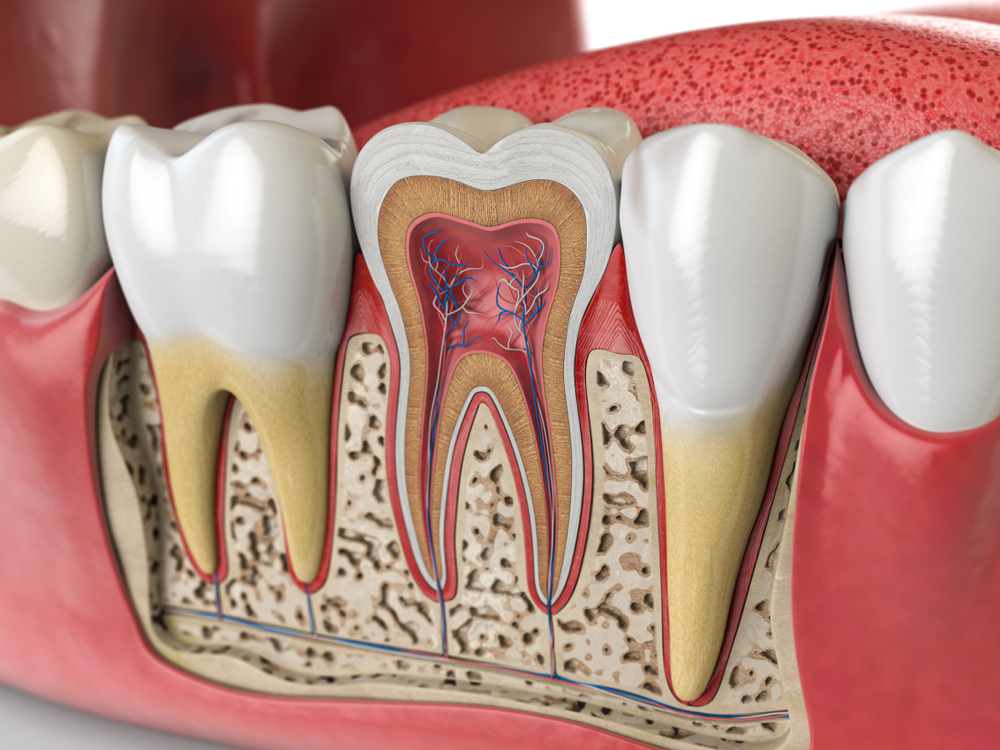
A root canal is a procedure that removes infected or damaged pulp from the tooth, disinfects the canals, and seals them to prevent further infection. Root canal therapy is typically recommended when:
- The tooth has deep decay or infection
- There is persistent pain or sensitivity
- An abscess or swelling is present
Benefits of a root canal include:
- Preserving the natural tooth
- Maintaining proper bite alignment
- Reducing the need for future replacements
Despite common myths, root canals are safe and effective, often comparable in comfort to a standard filling. Many patients search for a root canal near me to save their teeth without losing them.
Understanding Tooth Extraction
Tooth extraction involves removing a tooth completely from its socket. Extractions are usually necessary when:
- The tooth is severely decayed or fractured
- Infection cannot be controlled with a root canal
- There is overcrowding or impacted teeth
There are two main types of extractions:
- Simple extraction: Performed on visible teeth under local anesthesia
- Surgical extraction: Needed for impacted or broken teeth
Immediate consequences of tooth removal include changes in bite, possible shifting of adjacent teeth, and the need for replacement solutions.
Pros and Cons: Root Canal Therapy
Pros:
- Saves your natural tooth
- Maintains bite alignment
- Less long-term replacement work
Cons:
- Multiple dental visits
- Higher upfront cost
- Not suitable for extremely damaged teeth
Pros and Cons: Tooth Extraction
Pros:
- Quick resolution of pain or infection
- Can be more cost-effective initially
- Immediate removal of problematic tooth
Cons:
- Loss of natural tooth
- Adjacent teeth may shift
- Future replacement may be necessary, such as implants or bridges
Many patients seek tooth extractions in Ottawa when a tooth cannot be restored.
Recovery and Aftercare
Root Canal:
- Mild discomfort for a few days
- Pain management with OTC medications
- Maintain oral hygiene and attend follow-up visits
Tooth Extraction:
- Pain and swelling are common post-procedure
- Soft diet recommended for a few days
- Avoid smoking or strenuous activity to prevent complications
Factors to Consider When Choosing
- Extent of tooth damage or infection
- Overall oral health and jawbone condition
- Long-term dental goals and replacement plans
- Budget and personal preference
Consulting a dentist on Bank Street or a dental clinic near me will help you weigh these factors effectively.
Cost Comparison
Root canals may have a higher upfront cost but preserve the tooth, potentially saving money in the long run. Extractions may be less expensive initially, but additional costs for implants, bridges, or dentures should be considered.
When to Consult a Dentist
Don’t delay treatment if you experience severe pain, swelling, or sensitivity. Professional evaluation is critical to choose between a root canal near me or tooth extractions in Ottawa based on your unique dental needs.
ConclusionBoth root canals and extractions are effective solutions for damaged or infected teeth. Root canals save the natural tooth and maintain oral function, while extractions provide immediate relief but may require future restorative work. Discuss your options with a trusted dentist on Bank Street or a reliable dental clinic near me to make an informed choice and protect your oral health.