
Hospitality Interior Designer Toronto: Creating Exceptional Guest Experiences Through Design
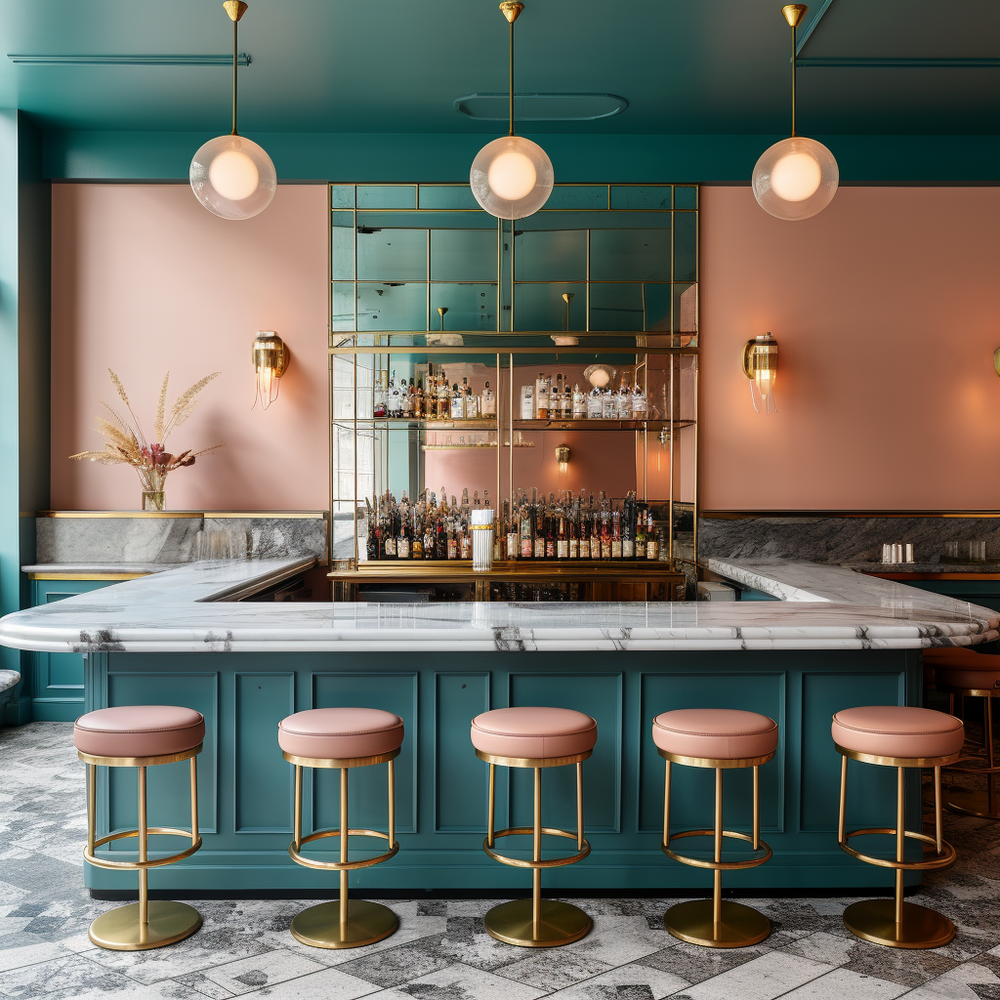
In the hospitality industry, first impressions are everything. Whether it’s a hotel, restaurant, lounge, or resort, the interior design plays a critical role in shaping guest experiences and influencing customer satisfaction. A professional hospitality interior designer in Toronto helps create visually stunning, functional, and memorable spaces that align with your brand and business goals. Thoughtful hospitality design goes beyond aesthetics; it enhances comfort, improves efficiency, and builds lasting impressions that encourage repeat visits.
With Toronto’s thriving hospitality sector and diverse clientele, investing in expert interior design is essential for businesses looking to stand out and succeed in a competitive market.
What Does a Hospitality Interior Designer Do?
A hospitality interior designer specializes in designing spaces that serve guests in commercial environments such as hotels, restaurants, bars, spas, and entertainment venues. Their primary goal is to create environments that are both visually appealing and highly functional while delivering exceptional guest experiences.
Hospitality designers handle every aspect of the design process, including concept development, space planning, furniture selection, lighting design, color coordination, and material selection. They ensure that every design element contributes to the overall atmosphere and aligns with your brand identity.
They also consider operational needs, ensuring the layout supports efficient staff workflow while maximizing guest comfort. Also check this: Luxury Interior Design Toronto
Importance of Interior Design in Hospitality Spaces
Interior design plays a crucial role in defining how guests perceive your business. A well-designed hospitality space communicates professionalism, quality, and attention to detail.
When guests enter a hotel lobby or restaurant, the environment immediately influences their emotions and expectations. Comfortable seating, attractive décor, proper lighting, and thoughtful layouts create welcoming spaces that make guests feel valued.
Professional hospitality interior design helps businesses:
- Create strong first impressions
- Enhance guest comfort and satisfaction
- Strengthen brand identity
- Increase customer retention
- Improve operational efficiency
Well-designed spaces not only attract new customers but also encourage repeat visits and positive reviews.
Types of Hospitality Spaces That Require Interior Design
Hospitality interior designers work with a wide range of commercial spaces, each with unique design requirements.
Hotels and Resorts
Hotel interior design focuses on creating relaxing, luxurious, and functional environments. Designers work on guest rooms, lobbies, lounges, and public areas to ensure comfort and consistency.
Restaurants and Cafés
Restaurant design focuses on ambiance, seating layouts, lighting, and décor that enhance dining experiences while supporting efficient service.
Bars and Lounges
Bars and lounges require creative lighting, stylish furniture, and layouts that promote social interaction and comfort.
Spas and Wellness Centers
Spa design focuses on creating calming and peaceful environments that promote relaxation and wellness.
Event and Entertainment Venues
These spaces require flexible layouts, durable materials, and visually engaging design elements.
Key Elements of Hospitality Interior Design
Successful hospitality interior design combines multiple elements to create cohesive and functional environments.
Space Planning and Layout
Space planning ensures efficient use of available space. Designers create layouts that support guest comfort and smooth staff operations.
Lighting Design
Lighting sets the mood and enhances the overall atmosphere. Hospitality designers use layered lighting, including ambient, accent, and task lighting.
Furniture Selection
Furniture must balance comfort, durability, and visual appeal. Designers select pieces that align with the brand and withstand heavy use.
Color and Material Selection
Colors and materials influence mood and perception. Designers choose combinations that reflect brand identity and create desired atmospheres.
Décor and Visual Elements
Artwork, wall finishes, textures, and decorative elements enhance visual appeal and create memorable environments.
Functionality and Accessibility
Designers ensure spaces are functional, accessible, and compliant with regulations.
Benefits of Hiring a Hospitality Interior Designer
Working with a professional hospitality interior designer provides numerous advantages that directly impact business success.
Enhanced Guest Experience
Professional design creates welcoming environments that make guests feel comfortable and valued.
Strong Brand Identity
Interior design communicates your brand personality and values, helping customers connect with your business.
Increased Customer Retention
Guests are more likely to return to spaces that offer comfortable and visually appealing experiences.
Improved Operational Efficiency
Efficient layouts support staff productivity and improve service quality.
Competitive Advantage
Professional interior design helps your business stand out in Toronto’s competitive hospitality market.
Latest Trends in Hospitality Interior Design
Hospitality design trends continue to evolve as customer expectations change. Modern hospitality interior designers incorporate innovative ideas to create engaging spaces.
Sustainable Design
Eco-friendly materials and energy-efficient lighting reduce environmental impact and operating costs.
Biophilic Design
Natural elements such as plants, wood, and natural lighting create relaxing environments.
Minimalist Design
Clean, simple designs create modern and sophisticated spaces.
Technology Integration
Smart lighting, automated systems, and digital features enhance guest convenience.
Flexible and Multi-Use Spaces
Flexible layouts allow spaces to serve multiple purposes and adapt to changing needs.
The Hospitality Interior Design Process
Professional hospitality interior designers follow a structured process to ensure successful results.
Initial Consultation
Designers discuss your business goals, brand identity, and project requirements.
Site Evaluation
The existing space is assessed to identify opportunities and challenges.
Concept Development
Design concepts are created based on your vision and brand.
Design Planning
Detailed layouts, material selections, and design elements are finalized.
Implementation
The design plan is executed to transform the space.
Final Review
The completed space is evaluated to ensure quality and functionality.
How Interior Design Impacts Business Success
Hospitality interior design directly affects customer perception and business performance. Attractive environments attract more customers and create positive experiences.
Guests often associate well-designed spaces with quality service. Comfortable seating, attractive lighting, and thoughtful layouts improve satisfaction.
Professional design also improves efficiency. Staff can work more effectively in spaces designed with workflow in mind.
Strong design contributes to brand recognition, helping businesses build loyalty and reputation.
Importance of Brand Consistency in Hospitality Design
Consistency is essential for building a recognizable brand. Hospitality interior designers ensure every design element aligns with your brand identity.
Consistent colors, materials, and décor strengthen brand recognition and create cohesive experiences across different areas.
This consistency helps customers remember your business and builds trust.
Maximizing Small Hospitality Spaces
Many hospitality businesses operate in limited spaces. Professional designers use creative strategies to maximize functionality and visual appeal.
Smart layouts improve flow and efficiency. Strategic lighting creates the illusion of larger spaces. Multi-functional furniture maximizes usability.
These techniques ensure even small spaces feel comfortable and inviting.
Long-Term Value of Professional Hospitality Interior Design
Investing in professional interior design provides long-term benefits. Well-designed hospitality spaces attract more customers and improve business performance.
High-quality materials ensure durability and reduce maintenance costs. Efficient layouts improve operations and productivity.
Professional design also increases property value and business appeal.
Most importantly, exceptional design creates memorable guest experiences that drive long-term success.
Choosing the Right Hospitality Interior Designer in Toronto
Selecting the right designer is essential for achieving your goals. Consider these factors when choosing a hospitality interior designer:
- Experience with hospitality projects
- Strong portfolio of previous work
- Understanding of hospitality operations
- Ability to align design with brand identity
- Knowledge of local regulations
- Clear communication and collaboration
Working with an experienced designer ensures your project is completed successfully.
Conclusion
A professional hospitality interior designer in Toronto plays a vital role in creating visually appealing, functional, and memorable hospitality environments. From hotels and restaurants to lounges and spas, expert designers transform spaces to enhance guest experiences and improve business performance.
Investing in professional hospitality interior design helps businesses attract customers, strengthen brand identity, and achieve long-term success. In a competitive hospitality market like Toronto, exceptional design is not just an option it is a necessity for standing out and thriving.