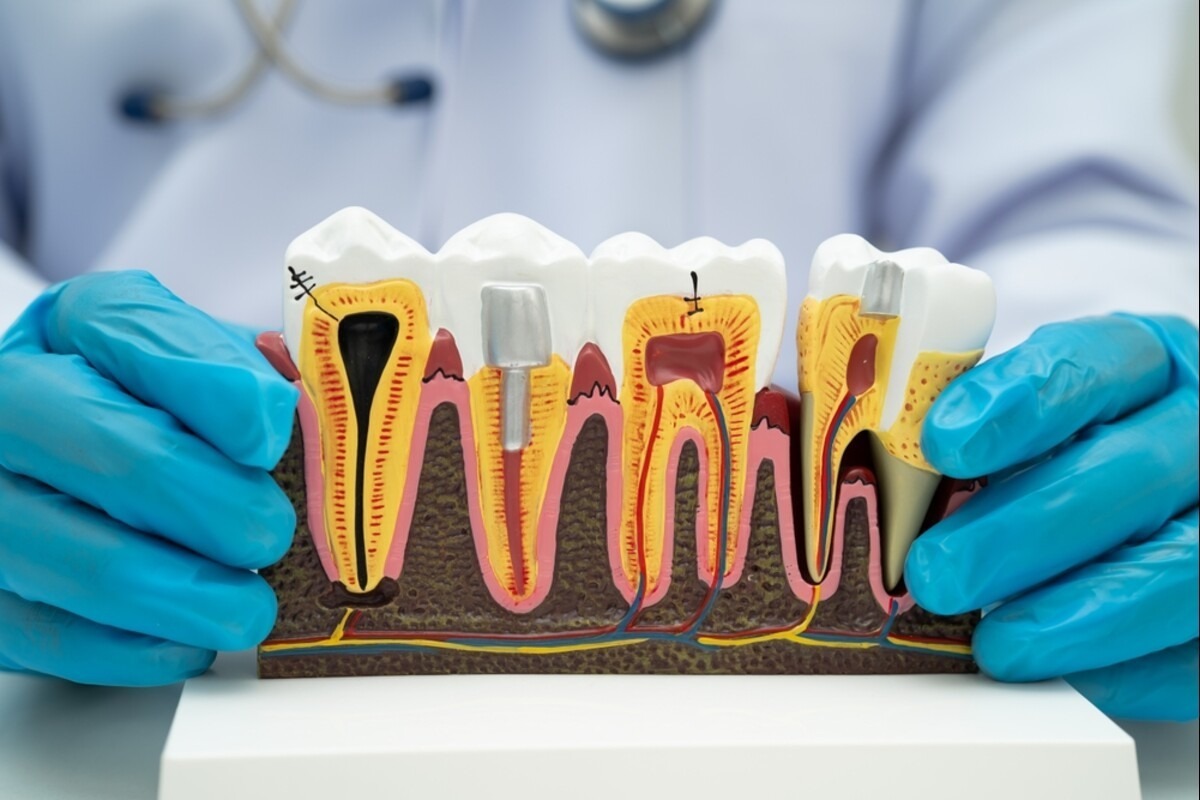
Root Canal vs. Tooth Extraction: Can the Tooth Be Saved?
A root canal treats the infected or inflamed tissue inside a tooth and aims to keep the tooth in place. An extraction removes the tooth. The right choice depends on whether the tooth can be predictably restored, the condition of the roots and surrounding bone/gums, the position of a crack, your health, and your preferences. A dentist must examine the tooth before recommending either option.
Pain does not automatically mean a tooth must be removed. Conversely, preserving every tooth is not always possible or advisable. The goal is to control disease, address pain or infection, and choose a plan that is workable over time. Lakeflower Family Dental describes its root canal therapy and tooth extraction services online.
What is the difference between a root canal and an extraction?
During root canal treatment, a dentist or endodontic provider removes inflamed or infected pulp from inside the tooth, cleans and disinfects the internal space, and seals it. The tooth then usually needs a suitable restoration, such as a filling or crown, depending on how much structure remains and where the tooth is located.
During an extraction, the tooth is removed from its socket. Extraction may be recommended when the tooth cannot be restored predictably, when a fracture makes it non-restorable, when periodontal support is inadequate, or when other clinical factors make removal the more reasonable plan. Some extracted teeth can be left unreplaced; for others, a bridge, denture, or implant may be discussed to restore chewing and appearance.
The American Association of Endodontists’ guide to root canal vs. extraction explains the difference between treating a tooth’s inside and removing the tooth, including the importance of considering future replacement needs.
When might a root canal be possible?
Root canal treatment may be considered when the pulp is irreversibly inflamed or infected, but the tooth itself can still be restored. The dentist will consider:
- How much sound tooth structure remains above the gumline.
- Whether a crack extends into the root or otherwise compromises the tooth.
- The condition of the root and surrounding bone.
- Whether gum disease affects the tooth’s support.
- Whether the tooth can be restored and cleaned effectively afterward.
- Your symptoms, medical history, treatment priorities, and ability to attend follow-up visits.
Root canal treatment is not a “repair everything” procedure. It addresses the inside of the tooth. The outer structure still needs to withstand biting forces, and the final restoration is an important part of the plan.
When might an extraction be recommended?
Extraction may be appropriate when a tooth cannot be restored predictably or when retaining it would not provide a reasonable long-term result. Examples may include a fracture extending too far below the gumline, severe loss of tooth structure, poor periodontal support, or other case-specific concerns.
If extraction is proposed, ask the dentist to explain why the tooth is considered non-restorable and whether another opinion or referral would be useful for a complex case. The American Association of Endodontists’ patient guidance on saving a natural tooth provides further background on questions patients can ask when weighing tooth-saving treatment.
Root canal vs. extraction: comparison table
| Consideration | Root canal treatment | Extraction |
|---|---|---|
| Main goal | Treat the inside of the tooth and retain it | Remove the tooth and associated diseased structure |
| Natural tooth retained? | Yes, if treatment and restoration succeed | No |
| Follow-up restoration | Often needs a filling or crown, based on the tooth | May need a bridge, denture or implant if replacement is recommended |
| Treatment planning | Depends on tooth anatomy, infection, restoration and case complexity | Depends on the tooth, roots, nearby anatomy, health and extraction complexity |
| Future care | The treated tooth still needs oral hygiene, checkups and restoration monitoring | The extraction site needs healing care; replacement may require additional treatment and maintenance |
| Best for every patient? | No. The tooth must be suitable for treatment and restoration | No. The decision depends on whether retention is practical and on patient-specific factors |
There is no universal answer to which option is cheaper or faster. A complete comparison should include any restoration after root canal treatment and the cost and maintenance of replacing a removed tooth if replacement is appropriate.
Does a root canal cost less than removing a tooth?
The initial fee for an extraction may appear lower than a tooth-saving treatment, but an extraction is not always the end of the treatment plan. If the gap should be restored, a bridge, denture, or implant may involve additional appointments and costs. A root canal may also need a crown or another restoration, so its total cost depends on the complete treatment plan.
Ask for a written estimate that separates the immediate procedure from the later restoration or replacement. Coverage varies by dental insurance policy and program rules. If you participate in the Canadian Dental Care Plan, check the current official CDCP coverage information; coverage may be subject to service rules, preauthorization, fee limits, and patient co-payments, and should not be assumed from a blog article.
What if the tooth is infected or the pain is severe?
Contact a dentist promptly if you have persistent or severe tooth pain, swelling, pain when biting, drainage, or a damaged tooth. Infection may require definitive dental treatment; pain relief alone does not remove the cause. Depending on the findings, the dentist may consider root canal treatment, drainage, extraction or another intervention.
Seek urgent medical assessment if you have rapidly spreading facial/neck swelling, trouble swallowing or breathing, or signs of becoming systemically unwell. These symptoms should not wait for a routine appointment. The Ontario Dental Association’s dental emergency guidance gives general advice on common emergencies and contacting a dentist.
Antibiotics are not a substitute for treating the source of most dental pain. The American Dental Association’s guideline on antibiotics for dental pain and swelling explains that definitive dental treatment is a priority in many pulpal and periapical conditions; antibiotic decisions depend on the clinical situation.
Questions to ask before choosing
Use these questions to understand the recommendation:
- Is the tooth restorable? What finding supports that conclusion?
- Is there a crack, and does it extend into the root or below the gumline?
- If I choose root canal treatment, what restoration will be needed afterward?
- If the tooth is extracted, should I replace it? What happens if I do not?
- Are there alternatives or referrals worth considering?
- What are the likely steps, time requirements, fees, and insurance considerations for each plan?
- What symptoms would require urgent reassessment while I wait?
Ask for the reasoning in plain language. A good decision balances the current problem with the long-term function and maintenance of your mouth.
FAQs
Is a root canal always better than an extraction?
No treatment is best for every tooth. If a tooth is restorable, retaining it may be a valuable option; if it cannot be restored predictably, extraction may be appropriate. The dentist should explain the clinical reasons and future restoration needs for each option.
Can a dentist pull an infected tooth on the same day?
Possibly, but not every case is suitable for immediate extraction. Timing depends on the examination, symptoms, infection, anatomy, medical history, available appointment time, and the dentist’s treatment plan. Call the clinic and describe your symptoms rather than assuming same-day treatment is possible.
Will I need a crown after a root canal?
Some teeth need a crown to protect weakened structure, while others may be restored differently. The decision depends on the tooth’s location, how much healthy structure remains, and the forces it handles. Ask for the planned final restoration before treatment begins.
Can antibiotics cure a tooth infection without dental treatment?
Antibiotics alone often do not remove the source of a dental infection. A dentist may need to treat the tooth, drain an abscess, or extract the tooth; antibiotics are prescribed when clinically indicated. Do not use leftover antibiotics or delay dental assessment because pain temporarily improves.
What happens if I leave a tooth with an infected pulp untreated?
The condition may continue, with pain, tissue damage or an abscess developing or worsening. Symptoms can change over time and do not reliably show how severe the underlying problem is. Contact a dentist for assessment rather than waiting for pain to become unbearable.
If my tooth is removed, do I have to replace it?
Not every space requires replacement, but the decision depends on tooth position, chewing, neighbouring teeth, bite, bone and personal goals. Replacement options can include a bridge, denture or implant. Ask about both the benefits and maintenance requirements before deciding.
Conclusion: understand the whole treatment plan
Root canal treatment attempts to retain a tooth by treating the diseased tissue inside it; extraction removes the tooth and may create a separate replacement decision. A dentist should explain whether the tooth is restorable, what the final restoration will involve, and the pros, limitations and costs of each pathway.
Lakefield patients can review root canal therapy, tooth extractions and emergency dentistry. If you are experiencing urgent symptoms, contact the clinic and explain what is happening; for breathing or swallowing difficulty or rapidly spreading swelling, seek emergency medical care.