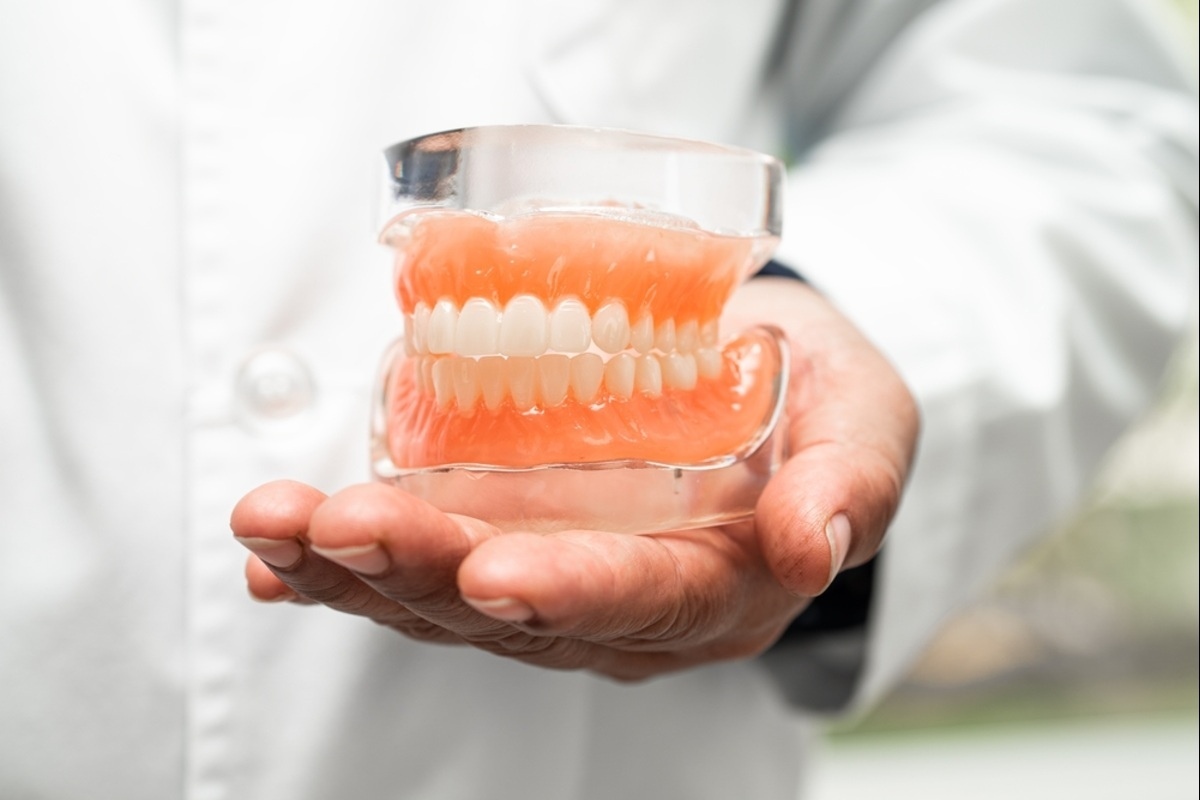
How Long Do Permanent Dentures Last? Fit, Care & Replacement Signs
The phrase “permanent dentures” does not describe one single type of dental prosthesis. It may be used informally to describe different long-term tooth-replacement solutions, including implant-supported prostheses. If you are considering your options, a dentist in Calgary can help you understand the differences between removable conventional dentures, removable implant overdentures, and fixed implant-supported restorations. Each option has different designs and maintenance requirements. Removable dentures should not be assumed to last forever simply because they are called “permanent.”
What Do People Mean by “Permanent Dentures”?
This terminology can be confusing.
A conventional full denture is removable. An implant-supported overdenture can also be removable while gaining support and retention from implants. A fixed implant-supported full-arch restoration is different because it is attached to dental implants and is not designed for routine removal by the patient.
A 2026 international consensus document recognizes multiple approaches for completely edentulous patients, including conventional dentures, implant overdentures, and fixed implant-supported dental prostheses.
That means the word permanent should always be clarified before comparing treatment options.
The clinic provides more information about full dentures and dental implants.
How Long Do Permanent Dentures Last?
There is no single lifespan that applies to every denture or implant-supported prosthesis.
Longevity depends on factors such as:
- Type of prosthesis
- Quality of the original fit
- Changes in the gums and underlying bone
- Wear of the artificial teeth
- Cracks or fractures
- Cleaning and maintenance
- Bite forces
- Teeth grinding or clenching
- Condition of supporting teeth or implants
- Regular dental assessments
For removable complete and partial dentures, the American College of Prosthodontists specifically states that they have limited lifespans and should not be considered permanently lasting restorations.
Why Can Dentures Stop Fitting Properly?
Your mouth changes over time.
Following tooth loss, the supporting tissues beneath a removable denture can change. This can affect retention, stability, and comfort.
The American College of Prosthodontists notes that changes in hard and soft tissues can lead to loss of fit and that dentures may need relining, rebasing, or replacement depending on the individual’s circumstances.
So an old denture can become uncomfortable even when the denture itself has not visibly broken.
Does “Permanent” Mean You Never Need Maintenance?
No.
Even a long-term tooth-replacement solution needs professional monitoring.
For removable dentures, maintenance can include:
- Daily cleaning
- Monitoring the fit
- Checking the supporting tissues
- Adjusting or relining when appropriate
- Repairing damaged components
- Replacing the prosthesis when necessary
The American Dental Association recommends cleaning dentures daily and notes that implant-supported dentures require access to implant components for appropriate cleaning.
When Should Dentures Be Reassessed?
Do not wait for a denture to completely fail.
Arrange an assessment when you notice:
- Persistent sore spots
- A loose or unstable denture
- Difficulty chewing
- The denture repeatedly moving during speech
- New problems with your bite
- Cracks or broken denture teeth
- Discoloration or visible deterioration
- Increasing reliance on adhesive
- Changes in the teeth supporting a partial denture or overdenture
The American College of Prosthodontists lists these types of problems as reasons for professional evaluation.
Is Five Years the Expiration Date for Dentures?
No.
The American College of Prosthodontists recommends that removable dentures be evaluated for replacement when they have been in function for more than five years, but this should not be interpreted as an automatic expiration date. The same guidance emphasizes clinical examination of fit, support, retention, function, appearance, and patient satisfaction.
The American Dental Association also includes more than five years among the situations in which removable dentures should be evaluated by a dental professional.
A well-fitting denture may still need professional assessment even when it looks acceptable, while an uncomfortable denture may require attention sooner.
How Does Denture Care Affect Longevity?
Daily care matters for both hygiene and the condition of the prosthesis.
The ADA recommends cleaning dentures daily to remove food particles and bacteria and reduce staining. Denture-cleaning instructions should be followed according to the product being used.
Patients should also avoid treating dentures like natural teeth when it comes to cleaning products or water temperature. For example, inappropriate cleaning methods can damage or distort some denture materials.
What About Implant-Supported Dentures?
Implant-supported options can be either removable or fixed, so the phrase “implant denture” does not automatically tell you how the prosthesis works.
An implant overdenture may be removed by the patient, while some fixed implant-supported restorations remain attached to the implants.
The appropriate option depends on factors such as:
- Number and position of implants
- Bone and soft-tissue conditions
- Oral hygiene ability
- Functional requirements
- Medical and dental considerations
- Personal preferences
- Long-term maintenance requirements
The 2026 consensus literature recognizes these options as distinct forms of treatment rather than treating all implant-supported prostheses as one category.
What Questions Should You Ask Before Choosing a Denture?
Before treatment, ask:
- Is the prosthesis removable or fixed?
- What does “permanent” mean in this treatment plan?
- How will I clean it?
- Which parts may need maintenance or replacement?
- What happens if the fit changes?
- What supporting teeth or implants are involved?
- How often should I return for evaluation?
- What alternatives should I compare?
These questions can prevent confusion caused by marketing terms such as “permanent,” “fixed,” or “implant-supported.”
FAQs
Are permanent dentures really permanent?
Not necessarily. Conventional removable dentures have limited lifespans, and even implant-supported prostheses require professional maintenance and may eventually need repair or replacement.
How often should dentures be checked?
The appropriate schedule depends on the patient, prosthesis, and oral health. Regular professional assessment is important because fit and oral tissues can change over time.
What is the difference between fixed and removable implant dentures?
A removable implant overdenture can be removed by the patient. A fixed implant-supported prosthesis is designed to remain attached to implants. The two options have different maintenance and treatment requirements.
Why are my dentures suddenly loose?
Changes in the oral tissues, wear, damage or changes affecting supporting teeth can influence fit. A loose denture should be assessed rather than repeatedly corrected with adhesive.
Does using denture adhesive mean I need new dentures?
Not automatically. However, increasing reliance on adhesive, particularly when the denture does not stay in place without it, is one situation in which professional evaluation may be appropriate.
Can dentures last more than five years?
Yes, but five years should not be treated as a guarantee or expiration date. The ACP recommends evaluation after five years for removable dentures, while actual replacement decisions depend on condition, fit, and function.
How should dentures be cleaned?
Dentures should be cleaned daily, following appropriate denture-cleaning instructions. The ADA provides guidance on cleaning removable and implant-supported dentures.
Next Step
Patients researching “permanent dentures” should first determine exactly which type of restoration is being discussed. The clinic’s full denture information and dental implant information can help readers understand the broader treatment options before arranging an individual assessment through the appointment page.


